
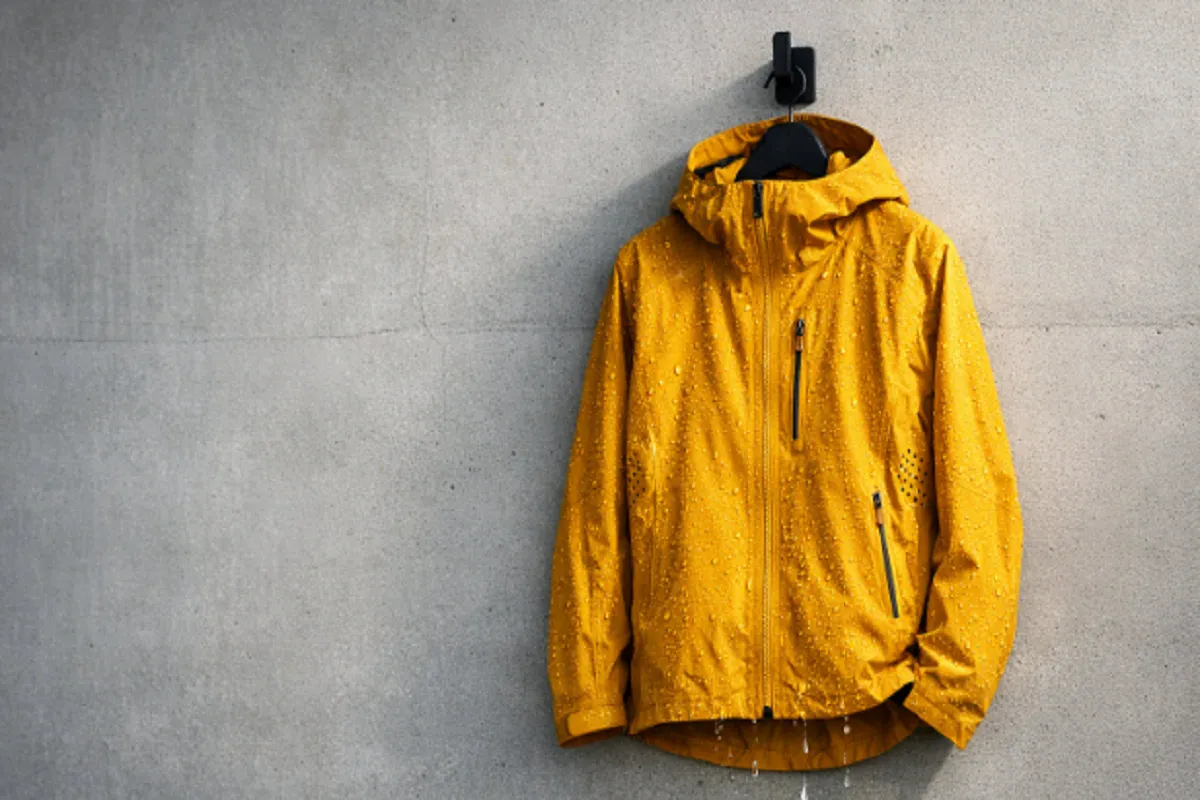
Outerwear has shifted from simple fashion statements to products defined by material science and engineering. With changing weather conditions and varied daily requirements, high-performance jackets and coats have become practical necessities. As user demands grow, technological advances increasingly impact how these garments deliver comfort and durability.
Designers now approach modern outerwear as a technical challenge, creating apparel for adaptation across multiple settings. Where a raincoat once indicated basic water resistance, today’s outer layers are engineered to offer temperature regulation, enhanced movement, and reliable protection against variable elements. The integration of technology into manufacturing and materials highlights its essential role in the industry. This shift has created a market where engineering and innovation are crucial for providing effective, dependable outerwear.
Advanced materials and their transformative impact
Material innovation drives much of the improvement in outerwear, reshaping how coats and jackets manage wind, rain, and physical wear. Membranes and laminates are used to produce surfaces that repel water yet remain light and flexible. Contemporary outerwear often employs multi-layer designs, with each layer serving a distinct role such as wicking moisture or providing insulation. Advances in seam-sealing methods also help prevent water ingress, contributing to garment durability in adverse conditions.
Lightweight fabrics and updated coatings have made outerwear easier to pack and more comfortable, allowing effective waterproof jackets to be carried conveniently. Many designs now use durable finishes that preserve water repellency through multiple wash cycles, representing a move away from older chemical treatments. Stronger fabrics also increase resistance to abrasion, enabling outerwear to maintain its protective qualities while coping with regular use.
How fit, breathability, and freedom of movement are maximised
Achieving the right balance between breathability and weather protection is a central focus for outerwear developers. Today’s materials feature microscopic pores that let perspiration escape while blocking external moisture, creating a more comfortable internal environment. Features like underarm vents and mesh liners further support airflow while still keeping out wind and rain. However, increasing air circulation must be balanced with maintaining warmth, requiring careful consideration based on intended garment use.
Technological advances in fit and mobility stem from digital patterning and virtual prototyping. Using body-mapped data and 3D modelling, designers improve how garments accommodate movement and reduce unnecessary bulk. These digital methods allow for precise adjustments in areas such as sleeve length and shoulder articulation before production begins. The result is a garment that fits well, supports movement, and remains functional for active wearers.
Durability and the future role of smart innovations
Durability remains a key factor, with modern construction techniques emphasising longevity and the potential for repair. High-denier fabrics are selected for their tear and abrasion resistance, while improved water-repellent treatments enhance performance over time. Reinforced seams and stressed areas help lower the risk of failure, making outerwear more reliable during repeated use. Industry certifications and testing are used as benchmarks, assisting buyers in evaluating product resilience beyond promotional descriptions.
Innovative technologies are being incorporated into outerwear, including wearable sensors and reflective details. While some innovations are more experimental, others provide measurable benefits, such as monitoring temperature or improving safety through visibility. Understanding technical specifications, including water resistance levels, breathability ratings, and seam construction, assists consumers in identifying genuinely functional features when choosing modern outerwear.